
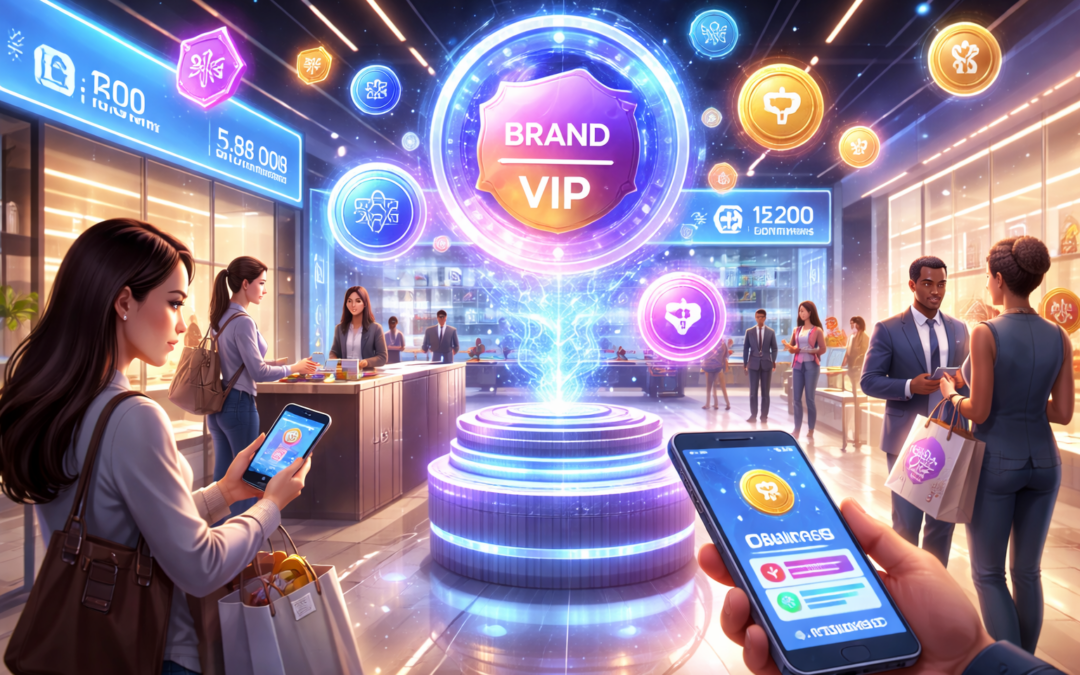
Why Every Brand Will Eventually Have a Token
For years, brands have relied on traditional loyalty programs to keep customers engaged.
They offered points, discounts, punch cards, memberships, rewards, and referral bonuses. These programs worked for a while, but most customers eventually lost interest because the rewards felt limited, confusing, or disconnected from the actual brand experience.
That is beginning to change.
The next generation of customer loyalty will not be based on old plastic membership cards or generic rewards programs.
It will be built around tokens.
In the future, nearly every major brand may have its own digital token that customers can earn, spend, hold, trade, and use to unlock exclusive benefits.
Tokens could become one of the most powerful tools for customer retention, community building, engagement, and brand growth.
Brands that understand this shift early may gain a huge advantage.
What Is a Brand Token?
A brand token is a digital asset tied to a company, product, platform, or community.
Unlike traditional loyalty points, tokens can have real value, flexibility, and utility.
Customers may be able to:
- Earn tokens through purchases
- Receive tokens for referrals
- Use tokens to unlock discounts
- Redeem tokens for exclusive products
- Gain access to private communities
- Vote on company decisions
- Trade tokens with other users
- Hold tokens as the brand grows
- Access premium experiences or events
This creates a much stronger connection between the customer and the brand.
Instead of simply collecting points that expire, customers become part of an ecosystem.
They become invested in the brand’s future.
Why Traditional Loyalty Programs Are Broken
Traditional rewards programs often fail because they are too limited.
Many customers forget they even have points.
Some rewards expire quickly.
Others are difficult to redeem.
In many cases, the rewards do not feel exciting or meaningful.
Brand tokens solve many of these problems because they can be designed to be:
- Easier to use
- More flexible
- More engaging
- More valuable
- Transferable
- Connected to real experiences
- Integrated into digital communities
Instead of just receiving a coupon after making ten purchases, customers can earn something that feels more like ownership.
That emotional connection can be far more powerful.
Tokens Create Stronger Communities
One of the biggest reasons brands will eventually have tokens is because tokens help create stronger communities.
Modern consumers do not just want products.
They want to feel like they belong to something.
They want access, status, exclusivity, recognition, and community.
A token can become the center of that experience.
For example, a brand token could allow holders to:
- Join a private online group
- Access exclusive content
- Get early product releases
- Attend VIP events
- Receive special discounts
- Vote on future products
- Earn additional rewards through participation
This turns customers into active community members rather than passive buyers.
The stronger the community becomes, the stronger the brand becomes.
Tokens Turn Customers Into Advocates
One of the most valuable aspects of brand tokens is that they encourage customers to promote the business.
When people own a token tied to a brand, they have a reason to want the brand to succeed.
The more popular the brand becomes, the more valuable the token and its benefits may become.
This can create a powerful cycle:
- Customers buy from the brand
- Customers earn tokens
- Customers become more invested in the brand
- Customers tell other people about the brand
- More people join the ecosystem
- The community grows stronger
- The brand becomes more valuable
This is very different from traditional marketing.
Instead of relying only on paid advertising, brands can build communities of people who want to help spread the message.
How Brands Could Use Tokens
There are many ways businesses can use tokens in the future.
Retail Brands
Retail companies could reward customers with tokens for purchases, reviews, referrals, and social media engagement.
Customers could then use those tokens for discounts, special products, free shipping, or early access to new collections.
Restaurants and Hospitality
Restaurants, hotels, and travel companies could use tokens to reward loyal customers.
Frequent customers could unlock free meals, upgrades, VIP experiences, or exclusive travel packages.
Fitness and Wellness Brands
Fitness companies could reward people for completing workouts, hitting health goals, or participating in challenges.
Customers could use tokens for discounts on supplements, apparel, coaching, or premium memberships.
Ecommerce Brands
Ecommerce businesses could use tokens to increase repeat purchases, encourage referrals, and create stronger customer loyalty.
Content Creators and Influencers
Creators could issue tokens to their communities, giving supporters access to exclusive videos, merchandise, live streams, private groups, and events.
This allows creators to build direct relationships with their audience instead of relying entirely on social media platforms.
Sports and Entertainment Brands
Sports teams, musicians, and entertainment companies can use tokens to create deeper fan engagement.
Fans could earn or buy tokens that unlock backstage access, merchandise, VIP tickets, voting rights, collectibles, and exclusive experiences.
Organizations like Shopify may eventually make token-based loyalty systems easier for ecommerce stores to launch.
Blockchain networks such as Ethereum are already making it possible for brands to build token ecosystems.
The Role of Blockchain
Blockchain technology is what makes tokens possible.
Unlike traditional loyalty points stored inside a company database, blockchain-based tokens can be owned directly by customers.
They can be transferred, traded, verified, and used across multiple platforms.
Blockchain also makes token systems more transparent and secure.
This can help reduce fraud, simplify rewards programs, and create more trust between brands and customers.
As blockchain becomes easier to use, more companies will likely adopt it.
Many consumers may not even realize they are using blockchain technology in the future.
They will simply see better rewards, more personalized experiences, and stronger digital communities.
Why Web3 Changes Branding Forever
The rise of Web3 is changing how brands think about customers.
In the old model, companies controlled everything.
Customers bought products and had very little influence.
In the Web3 model, communities become more important.
Customers can have a voice, ownership, and a direct role in the growth of the brand.
This creates a much deeper relationship.
Tokens can give customers the ability to:
- Vote on products
- Influence brand decisions
- Help shape future campaigns
- Earn rewards for participation
- Become part of the company’s growth story
This may be one of the biggest shifts in marketing and branding over the next decade.
Risks and Challenges
Brand tokens are exciting, but there are still challenges.
Some of the biggest risks include:
- Regulatory uncertainty
- Customer confusion
- Poor token design
- Overhyped projects
- Security concerns
- Fraud and scams
- Volatility in token value
Businesses will need to design tokens carefully.
The best token systems will focus on utility, rewards, community, and real value rather than speculation.
Brands that simply launch tokens as a gimmick may fail.
Brands that create useful, engaging ecosystems may thrive.
Final Thoughts
In the future, brand tokens may become as common as loyalty points are today.
They could change the way businesses reward customers, build communities, drive engagement, and increase retention.
The brands that succeed will be the ones that understand that customers want more than discounts.
They want belonging.
They want recognition.
They want access.
They want to feel connected to the brands they support.
Tokens have the potential to create those connections in a way that traditional loyalty programs never could.
That is why every brand may eventually have a token.